3-Minute Perspective Shifts Through Looking
Time needed: 3 minutes (60 seconds each)
Setting: Any environment, indoors or outdoors
Purpose: Changing perspective through deliberate visual attention
1. Looking Down (60 seconds)
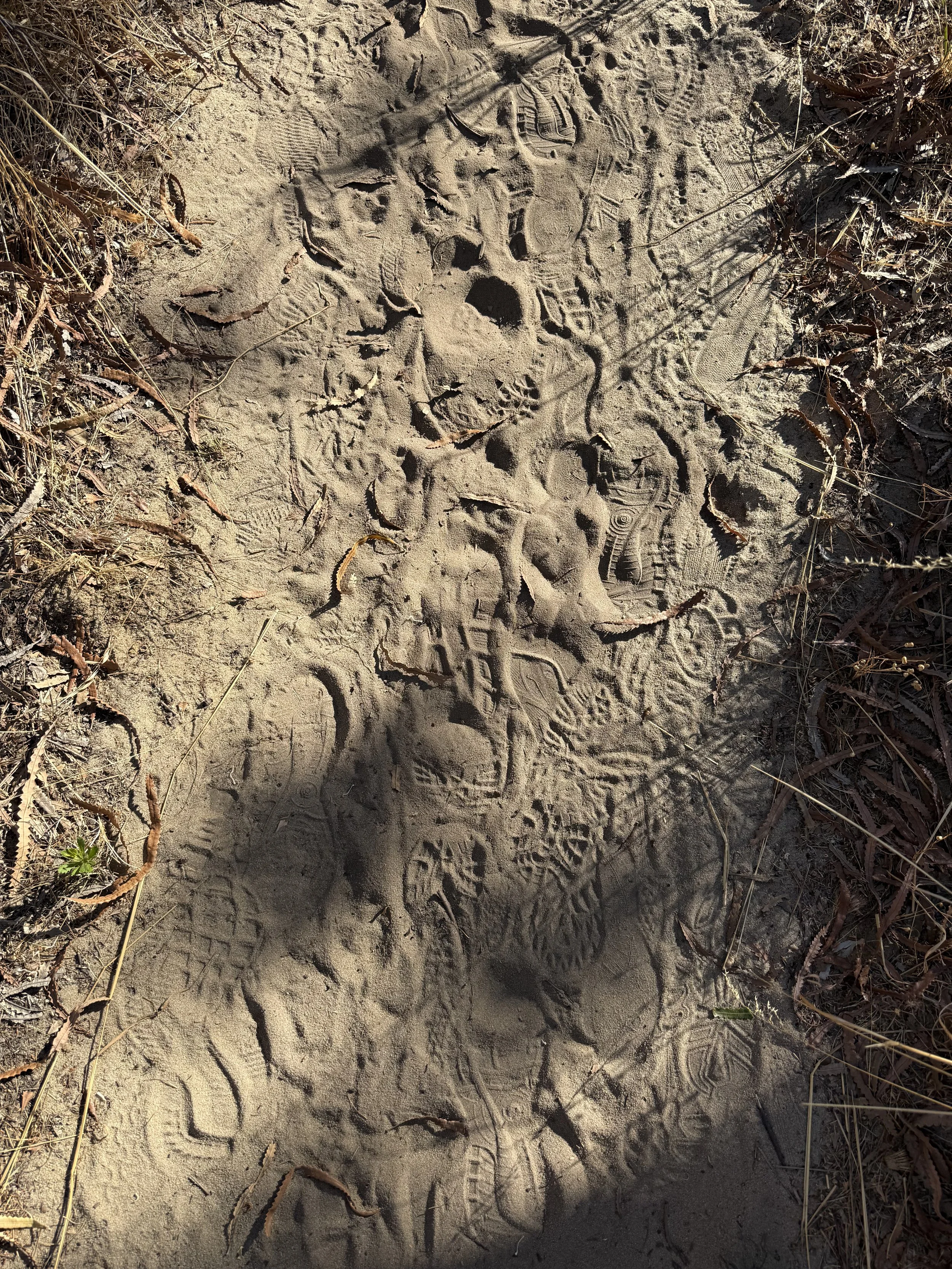
What: Direct your gaze downward to ground, floor or surface beneath you. Really look at what is directly below. Notice texture, colour, patterns, cracks, shadows, objects, details you normally walk over without seeing. If outside, observe earth, grass, pavement, leaves. If inside, notice floor material, dust, light patterns, your feet. Spend full 60 seconds with downward gaze. Ask: What am I standing on? What supports me? What exists beneath my usual sight line that I miss?
Notice: Grounding sensation from looking down, details invisible from normal eye level, humility in noticing what is beneath
Why: Downward gaze grounds attention and body, reveals overlooked foundation, shifts from forward rushing to present noticing
2. Looking Up (60 seconds)
What: Lift your gaze upward to ceiling, sky, treetops or whatever is above you. Tilt head back gently and really look at what is overhead. Notice height, space, light, movement, clouds, stars, architecture, branches. Let eyes travel across upper space. Spend full 60 seconds with upward gaze. Ask: What is above me? What vastness exists beyond my usual horizontal view? What perspective comes from looking up?
Notice: Physical opening in chest and throat, shift from contracted to expansive, awe or wonder emerging, different quality of thoughts
Why: Upward gaze activates awe response, opens body posture, provides perspective beyond immediate concerns, connects to something larger
3. Looking Closely (60 seconds)
What: Choose one ordinary object near you and examine it with intense closeness. Move close enough to see details you have never noticed. Observe texture, colour variations, imperfections, patterns, how light hits it, its construction or growth. Pretend you are seeing this object for first time or need to describe it in detail to someone. Spend full 60 seconds in close observation. Ask: What have I never noticed? What exists in detail when I truly look?
Notice: How much detail exists in ordinary things, slowing of thoughts during close attention, appreciation for what you normally overlook
Why: Close attention interrupts autopilot, reveals complexity in simplicity, builds presence through focused observation
Closing: Say “Perspective shifts when I look differently”
Notice: How three directions of looking changed your state
Why: Demonstrates accessible tools for perspective shifts
Why Direction of Gaze Matters:
Eye position affects nervous system. Downward gaze activates grounding. Upward gaze opens and expands. Close focus builds presence. Gaze direction influences mood and thoughts. Vision shapes perception literally and metaphorically. Where you look affects how you feel.
Looking Down Benefits:
Physical grounding and stability. Connection to earth and foundation. Humility and presence. Noticing what supports you. Slowing rushing thoughts. Attending to neglected details. Appreciation for ground beneath. Metaphor for examining foundations.
Looking Down Reveals:
What you walk on without noticing. Support structures holding you. Small details missed in forward movement. Foundation beneath your feet. Texture and reality of ground. Where you actually stand. Evidence of passage and time. Beauty in overlooked places.
Looking Up Benefits:
Physical opening of chest and throat. Perspective beyond immediate. Awe and wonder activation. Connection to vastness. Relief from downward spiral. Metaphor for possibility. Expansion of mental space. Shift from self-focus to context.
Looking Up Reveals:
Sky and space above. Seasonal changes overhead. Architecture and canopy. Scale and proportion. Beauty in height and expanse. What exists beyond eye level. Perspective on size and significance. Connection to something larger.
Looking Closely Benefits:
Interrupts mental autopilot. Builds present-moment attention. Reveals hidden complexity. Appreciation for ordinary. Slows racing thoughts. Engages curiosity naturally. Demonstrates depth available always. Grounds in immediate sensory experience.
Looking Closely Reveals:
Extraordinary in ordinary things. Details invisible in rushing. Complexity in simple objects. Imperfection and uniqueness. How things are made or grown. Texture and variation. Evidence of care or neglect. Beauty in small scale.
Building Looking Practice:
Daily down-up-close sequence. Notice habitual gaze direction. Vary looking throughout day. Use as transitions between activities. Combine with walking. Practice in different environments. Share observations with others. Let looking shift state.
Gaze Direction Patterns:
Forward gaze: Task focus, future orientation, moving toward. Downward gaze: Withdrawal, grounding, internal focus. Upward gaze: Openness, seeking, expansion. Close gaze: Attention, curiosity, presence. Screen gaze: Common default, medium distance, artificial.
When to Use Each Direction:
Feeling ungrounded or spacey: Look down. Feeling contracted or heavy: Look up. Feeling scattered or racing: Look closely. Feeling stuck in one perspective: Shift through all three. Needing presence: Any deliberate looking. Wanting awe: Look up at vastness.
Environmental Variations:
Nature: Down to earth and growth, up to sky and trees, close to leaf or bark. Urban: Down to pavement patterns, up to buildings and sky, close to architecture detail. Indoor: Down to floor and objects, up to ceiling and light, close to everyday item. Anywhere works for perspective shifts.
Combining Looking with Questions:
Looking down: What supports me? What foundation exists? Looking up: What is larger than my concerns? What opens me? Looking closely: What am I missing? What exists when I truly attend? All directions: How does perspective shift?
Looking as Metaphor:
Looking down: Examining foundations, grounding in reality, attending to basics. Looking up: Seeking possibility, connecting to larger purpose, opening to hope. Looking closely: Deep attention, noticing what matters, refusing superficial. Perspective literally shifts when you change where you look.
Daily Looking Invitations:
Morning: Look up at sky before starting day. Midday: Look closely at lunch or object nearby. Evening: Look down at ground on walk home. Transitions: Shift gaze direction deliberately. Stuck moments: Change where you are looking. Routine activities: Notice through different gazes.
Teaching Others to Look:
Walk together practicing each direction. Share what you each notice. Ask children what they see. Use as family practice. Photography through different perspectives. Sketch what you observe. Discuss how looking affects feeling. Build shared attention practice.
Simple Complexity:
This practice seems too simple. Yet shifting gaze shifts state. Three minutes of looking differently. Changes perspective measurably. No equipment needed. Always available. Profound in simplicity. Try it and notice.
Looking Variations:
Slow scanning: Move gaze gradually through space. Fixed point: Hold gaze on single spot. Peripheral: Notice edges without direct looking. Soft focus: Relax eyes and gaze. Active seeking: Search for specific colours or shapes. Receiving: Let things come to vision.
You have eyes. You can direct them. Down to ground you. Up to expand you. Close to presence you. Perspective lives in where you look. Change your gaze. Change your state. Look differently. See differently. Be differently.
What do you notice when you look down? What opens when you look up? What reveals itself when you look closely?