3-Minute Mindful Cooking Practice
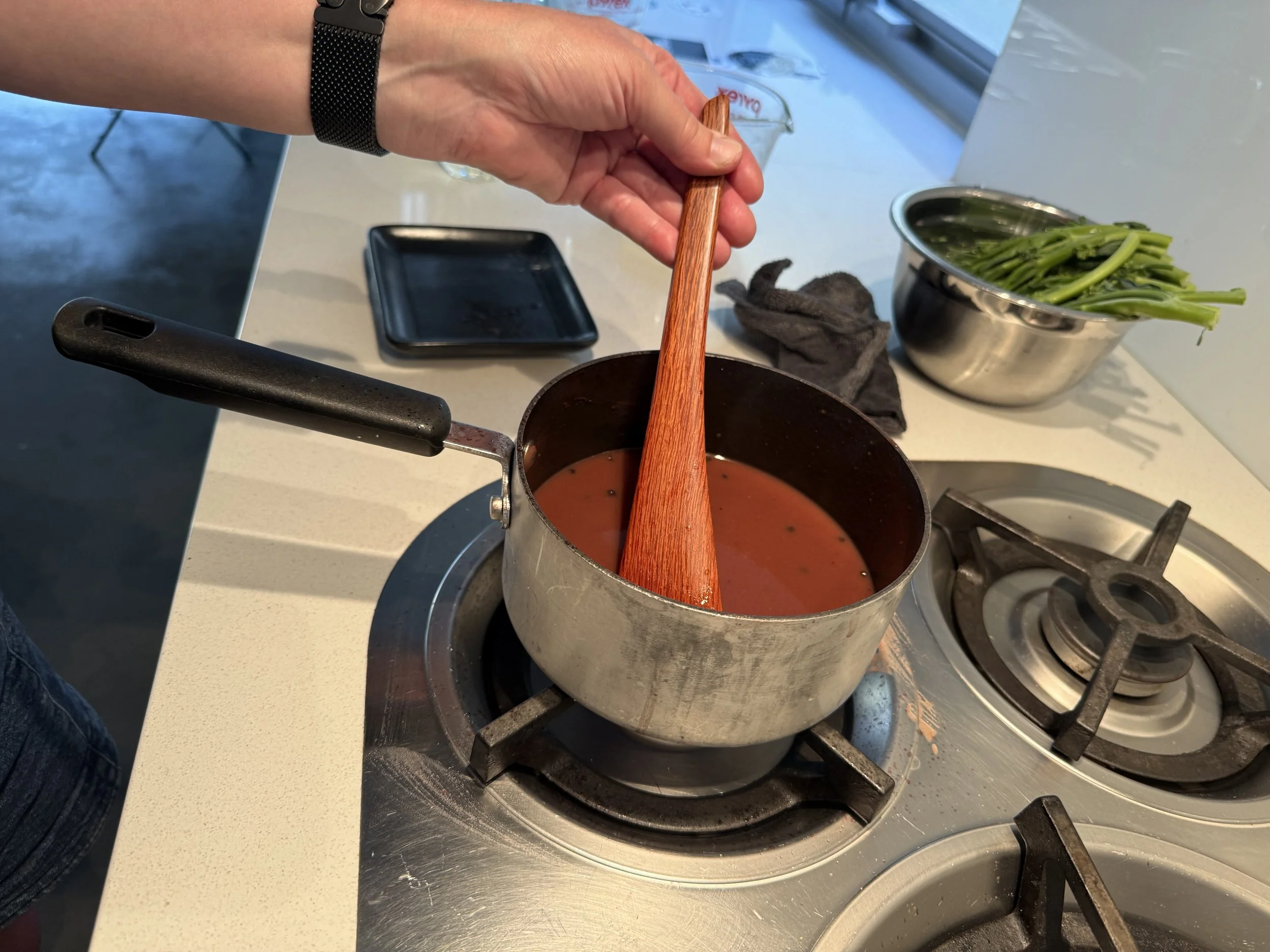
Cooking at home often becomes another task to rush through. Get the meal done, feed yourself or others, move to the next thing. We cook while scrolling, half-listening to podcasts, mentally reviewing tomorrow’s demands. The kitchen becomes a place of doing, rarely a place of being.
But cooking holds everything mindfulness asks of us. Aromas that anchor us in the present. Textures that engage our hands. Transformations to witness. Tastes to savour. Even a fifteen-minute simple meal contains dozens of sensory invitations we usually rush past.
You do not need elaborate recipes or lengthy preparation to cook mindfully. A quick stir-fry, simple pasta, eggs on toast, a thrown-together soup. The meal can be easy. The presence is what changes everything.
Mindful cooking is not about perfect technique or slow food philosophy. It is about inhabiting the cooking you are already doing. Letting the kitchen become a place where you arrive rather than another place you rush through.
Here are three micro-moments to bring presence to cooking any quick and easy meal.
3-Minute Mindful Cooking Practice
Time needed: 3 minutes woven through cooking
Setting: Your kitchen, any simple meal
Purpose: Transforming routine cooking into sensory presence
1. Aroma Arrival (60 seconds)
What: At the start of cooking, pause with your ingredients before rushing into preparation. Pick up one aromatic ingredient: garlic, onion, herbs, lemon, spices, even simple butter or olive oil. Close your eyes and inhale its scent slowly three times. Really smell it. Notice what the aroma evokes: memory, hunger, comfort, anticipation. As cooking begins and aromas develop, pause once more to breathe in the changing scents. Garlic hitting warm oil. Onions softening. Herbs releasing. Say internally: I am here, cooking, right now.
Notice: How scent anchors you instantly in the present, memories or feelings aromas evoke, the difference between smelling and merely being near food
Why: Smell is the sense most directly wired to memory and emotion, aroma attention interrupts autopilot instantly, scent grounds you in the present moment faster than thought
2. Slowing the Doing (60 seconds)
What: Choose one cooking task to do at half your usual speed. Chopping vegetables: feel the knife, notice colours revealed, hear the rhythm on the board. Stirring: watch the movement, feel the resistance, observe changes in texture. Cracking eggs, tearing herbs, grating cheese: whatever the task, slow it deliberately. Let your hands lead while attention follows. Notice the impulse to speed up, to reach for your phone, to mentally leave the kitchen. Gently return to the task. This is not inefficiency. This is presence practised through your hands.
Notice: The urge to rush even when there is no hurry, sensory details invisible at speed, how slowing the hands slows the mind
Why: Deliberate slowness interrupts chronic rushing patterns, hands-based attention quiets mental chatter, single-task focus restores cognitive resources depleted by multitasking
3. First Taste Savouring (60 seconds)
What: When the meal is ready, before serving or eating properly, take one mindful first taste. A spoonful of the sauce, one piece of vegetable, a corner of the toast. Pause before it reaches your mouth. Notice the anticipation. Then taste with full attention: temperature, texture, layers of flavour, how it changes as you chew. Let this one taste be complete experience, not preview. Acknowledge simply: I made this. Then, if eating now, carry a thread of this savouring into the first three bites of your actual meal before conversation or screens resume.
Notice: How much flavour exists when fully attended to, satisfaction in tasting what your hands created, the difference between eating and savouring
Why: Savouring amplifies positive experience and builds wellbeing reserves, mindful tasting increases meal satisfaction and supports healthy eating cues, acknowledging your creation builds quiet accomplishment
Closing: Say “Even quick meals can hold presence”
Notice: How the kitchen felt different with attention added
Why: Anchors cooking as available daily mindfulness practice
Why Mindful Cooking Matters:
Cooking happens most days regardless. Presence added to existing activity costs no extra time. Kitchens are full of sensory anchors: scent, texture, sound, colour, taste. Daily cooking becomes daily practice. Mindfulness woven into life beats mindfulness waiting for spare time. The meal nourishes twice: body through food, mind through presence.
What Mindful Cooking Is Not:
Elaborate recipes or gourmet standards. Slow cooking or lengthy preparation. Perfect technique or beautiful results. Silence or ritual requirements. Another performance standard to meet. Cooking every meal this way. Guilt when you cook on autopilot.
What Mindful Cooking Is:
Attention brought to cooking you already do. Sensory noticing woven through preparation. Moments of presence, not constant mindfulness. Quick meals included fully. Imperfect and real kitchen life. An invitation, not an obligation. Available any meal you choose it.
Simple Meals for Mindful Cooking:
Eggs any style with attention to the transformation. Pasta with garlic and oil, aromas and simplicity. Stir-fry with colours, sounds and speed made conscious. Toast with toppings, textures assembled with care. Soup from whatever exists, stirring as meditation. Grilled cheese, butter sizzling as anchor. The meal is the vehicle. Presence is the point.
Sensory Anchors While Cooking:
Aromas: garlic, onion, herbs, spices, coffee, bread, citrus. Sounds: sizzling, chopping, bubbling, kettle, timer. Textures: dough, vegetables, water, flour, peeling. Sights: colours, steam, transformation, browning. Tastes: seasoning checks, first bites, finished meal.
When Cooking Feels Like Burden:
Some days cooking is pure task and that is fine. Mindful moments are options not requirements. Even one aromatic breath counts. Presence in one stir matters. Tired cooking deserves compassion not standards. Feed yourself however works. The practice waits without judgment.
Cooking as Transition Ritual:
Cooking marks the shift from workday to evening. Aromas signal home and nourishment. Hands busy allows mind to settle. Kitchen presence transitions your nervous system. The meal boundary separates day parts. Mindful cooking closes one chapter, opens another.
Sharing Mindful Cooking:
Cook with others in companionable presence. Invite children to smell and touch ingredients. Share first-taste moments together. Discuss flavours at the table. Model presence in the kitchen. Let cooking connect not just feed.
Tonight or tomorrow, one quick meal. One aromatic pause. One slowed task. One savoured taste. The kitchen you already stand in. The meal you already make. The presence you already possess. Brought together.
What quick meal will you cook mindfully? Which aroma will anchor you? What might you notice when you slow down and savour?